Sensory-Friendly Exercise: Adjusting Noise, Touch & Environment for NDIS Participants
For many people living with disability, exercise environments can feel overwhelming. Bright lights, loud music, crowded rooms, unfamiliar equipment, and unexpected physical contact can turn what should be a positive experience into a stressful one.That’s why sensory-friendly exercise is so important, especially for participants supported under the National Disability Insurance Scheme (NDIS). Creating a comfortable, supportive environment isn’t just helpful. It can be the difference between someone avoiding exercise altogether and building a lifelong, healthy routine.
Why Sensory-Friendly Exercise Matters
Many NDIS participants experience sensory processing challenges. This is common for individuals with:
Autism spectrum disorder
ADHD
Intellectual disability
Psychosocial disability
Neurological conditions
Traditional gyms and fitness classes can include:
Loud music
Echoing spaces
Bright fluorescent lighting
Strong smells
Crowded equipment areas
Unexpected touch or close proximity
For someone with sensory sensitivities, these factors can cause anxiety, shutdown, overstimulation, or physical discomfort. A sensory-friendly approach removes these barriers and creates a safe, predictable, and empowering exercise experience.

Adjusting Noise Levels
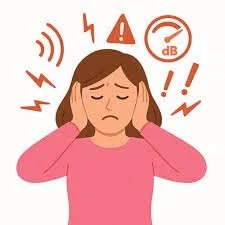
Noise is one of the biggest challenges in mainstream fitness settings.
Strategies to Reduce Noise:
Lower or eliminate background music
Offer quiet training hours
Provide noise-cancelling headphones
Use calm, steady vocal instructions
Avoid shouting across rooms
In some cases, one-on-one sessions in a private or home-based setting can significantly improve comfort and focus.
Being Mindful of Touch & Physical Guidance
Some participants may be sensitive to physical touch or require clear consent before hands-on correction.
Sensory-Friendly Touch Practices:
Always ask for consent before physical guidance
Demonstrate exercises visually first
Use verbal cues instead of hands-on adjustments where possible
Offer mirrors for self-correction
Respect personal space
Clear communication builds trust and helps participants feel in control of their bodies and environment.

Adjusting the Physical Environment
Small environmental changes can have a big impact.
Lighting
Use natural light where possible
Avoid flickering fluorescent lights
Offer softer lighting options
Equipment
Introduce equipment gradually
Allow participants to explore and touch equipment before using it
Offer predictable routines with minimal sudden changes
Space
Avoid overcrowded areas
Keep layouts consistent
Reduce visual clutter
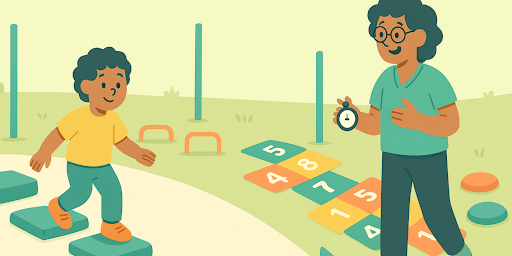
Routine and predictability are powerful tools in supporting sensory regulation.
The Role of Routine & Predictability
Consistency reduces anxiety.
A sensory-friendly program often includes:
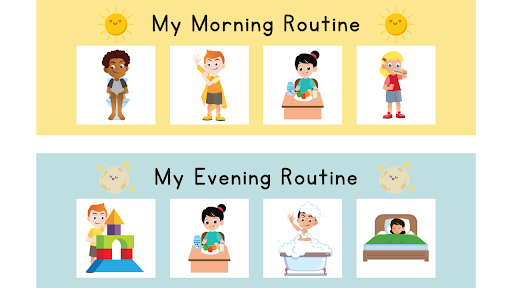
A visual schedule
Clear session structure
Familiar warm-up and cool-down routines
Advance notice of changes
Predictable sessions allow participants to mentally prepare, which improves engagement and confidence.
How Sensory-Friendly Exercise Supports NDIS Goals
Under the NDIS, exercise programs may support goals related to:
Improved physical health
Increased independence
Community participation
Emotional regulation
Confidence building
When environments are adjusted to meet sensory needs, participants are more likely to attend regularly, enjoy sessions, and achieve meaningful progress.
Creating Inclusive Exercise Experiences
Sensory-friendly exercise is not about lowering expectations — it’s about removing barriers.
By adjusting noise, touch, and environment, exercise becomes:
More accessible
Less stressful
More empowering
Sustainable long-term
Inclusive fitness means meeting participants where they are and supporting them in a way that respects their unique sensory profile.